
Are you interested in improving student life and strengthening inclusive campus communities at your university? Then ISWI 2027 will give you the perfect platform to exchange ideas, learn from experts, and collaborate with students from universities in Germany and around the world.
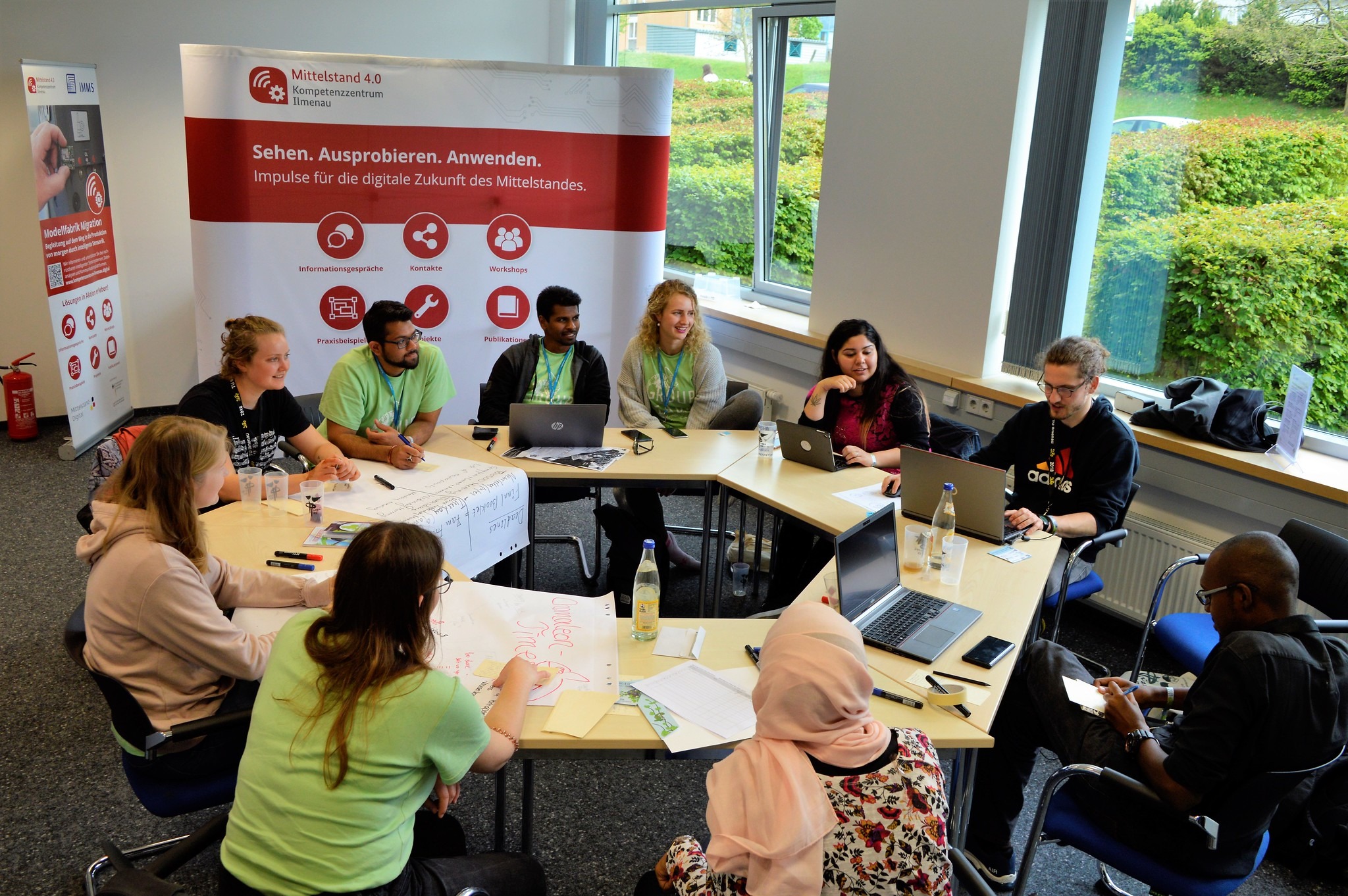
During the conference group work sessions, you will dive directly into these vital topics. Depending on each group’s focus, you will share diverse perspectives, develop innovative projects, engage with guest speakers, and brainstorm practical solutions, all facilitated by dedicated student organisers who share your passion for creating vibrant campus environments. Each working group spotlights a key dimension of higher education policy and campus culture, addressing real-world challenges faced by students today.
The group work takes place across multiple sessions during the conference. In each slot, you will engage in interactive discussions with fellow students to address local and systemic challenges concerning university life, student governance, campus society, and the broader local community. The goal is to generate actionable ideas, foster cross-cultural dialogue, and inspire new student-led initiatives. We aim to empower you with the tools, networks, and inspiration needed to actively shape inclusive communities within your home universities.
Interested in which groups and topics are available? We have you covered! Explore the full overview of all offered group work topics below.
This working group will have vibrant exchanges, participant interviews, and inter-group dynamics unfolding throughout the conference. Participants document this diverse information, footage, and interviews into a comprehensive documentation booklet that is handed out to all at the closing ceremony, fostering knowledge transfer within the higher education landscape.
- How can student-led media and documentation capture diverse voices to strengthen community and student participation across universities?
- What role do participant interviews and cross-group documentation play in making student discourse accessible to the broader university public?
- How can conference documentation be utilised as practical knowledge-transfer tools for future student initiatives and higher education policy work?
Education extends far beyond traditional lecture halls, serving as a vital driver for lifelong learning and social inclusion within our campus communities. This group will discuss the role of informal and non-formal campus learning and explore how universities can lower structural barriers to improve accessibility for marginalised and non-academic groups.
- How do informal and non-formal student activities on campus complement traditional university structures to build inclusive communities?
- In what ways can higher education institutions dismantle structural barriers to improve accessibility for marginalised and first-generation (First Generation) students?
- How can universities expand lifelong learning frameworks to deepen engagement between academia and local communities?
Student volunteering and traditional Vereinskultur shape campus culture, democratic participation, and community building across academic institutions. This group will have the opportunity to discuss the economic and structural challenges faced by student volunteer initiatives and explore how universities can provide sustainable support for these groups.
- How does the traditional Vereinskultur and student self-governance in Germany compare to global volunteering structures in building campus community?
- What economic boundaries, high project expectations, and structural challenges do student volunteer groups face today?
- What concrete policy measures and administrative frameworks should universities implement to support and institutionalise student volunteering?
University sports offer a dynamic platform for building relationships, physical well-being, and intercultural connection among diverse student populations. This group will talk about whether campus athletics successfully bring different student communities together or if competitive structures risk creating new divisions and conflicts.
- How do student-taught sports courses contribute to community building and physical and mental health in the university environment?
- In what ways can campus sports represent international student groups (e.g., cricket for Indian/Pakistani communities, football, table tennis, etc.) and facilitate social integration?
- Do university athletic structures bring diverse student communities together, or do they risk reinforcing social separation and conflict?
Navigating higher education presents unique psychological demands that are often compounded by relocation stress, language barriers, and cultural stigmas. This group will discuss about building accessible psychological support frameworks and making university environments more friendly and accessible for neurodivergent students.
- How can universities reduce language barriers, stigma, and taboos to make psychological support services easily accessible for all students?
- What structural adaptation and teaching modifications make university environments truly neurodivergent-friendly?
- How can universities build sustainable peer-support and institutional networks for international students facing psychological challenges abroad?
Performative arts – such as music, theater groups, orchestras, and dance ensembles – unite students from different backgrounds and generations into vibrant creative communities. This group will explores institutional structures supporting campus arts and contrasts pursuing artistic expression as a community hobby versus a formal profession.
- How do campus performative arts groups (e.g., orchestras, theater, dance) unite students across different backgrounds and generations into a shared community?
- What institutional support structures should universities provide to integrate non-formal arts alongside formal academic curricula?
- How do cultural stereotypes surrounding arts as a hobby versus a profession affect student participation and community representation?
Fostering constructive dialogue is essential for managing campus conflicts, reconciling differences, and enabling peaceful co-existence within diverse student populations. Guided by methodologies from the Nansen Center, participants will discuss about the practical facilitation skills to mediate student disputes and navigate complex social issues within higher education and their communities.
- What dialogue facilitation methods can effectively reconcile conflicts and promote co-existence among diverse student groups on campus?
- How can open campus dialogue help student communities navigate political and social disagreements while maintaining solidarity?
- How can universities empower student representatives to facilitate dialogue within their local campus structures?
Cultural diversity shapes university life, yet it expresses distinct traditions, religions, and values that can sometimes lead to friction on campus and within communities. This group will discuss how to balance honouring each student group’s right to authentic representation with practical ways to resolve conflict.
- How do international student traditions enrich the broader university community, and how can institutions facilitate genuine exchange?
- What role should higher education administration play in addressing cultural or religious conflicts on campus while protecting minority representation?
- Where lie the institutional limits of university support for cultural groups, and how should competing interests be managed fairly?
Achieving structural gender equality in higher education requires dismantling academic stereotypes, glass ceilings, and rigid community-imposed role expectations. This group will discuss representation in STEM and high-level academic roles, including the effectiveness of quotas and LGBTQ and women spaces within universities.
- What structural factors influence the representation of women in STEM fields and high-level academic roles across different national contexts?
- How do community gender expectations impact academic pathways and career choices for students in higher education?
- Are institutional quotas and gender-specific spaces effective long-term solutions for equality, or do they suppress underlying structural issues?
Student mobility fosters a shared European identity and cross-cultural understanding, but true integration between international and local students requires intentional community-building. The group will discuss the notions of local identity, student belonging, and how digital learning impacts interaction with campus communities.
- What defines belonging in a university setting, and how can local and international student communities build meaningful integration on campus?
- How does global student mobility shape shared identity, and what best practices can higher education adopt from other systems?
- How is the rise of digital learning and academic nomadism altering how international students interact with local campus communities?
Language serves as both a gateway to community integration and a potential barrier to cross-cultural connection in internationalized academic spaces. This group will explore language learning in student communities, constructed bridge languages (e.g., Esperanto), and the preservation of indigenous languages within higher education.
- How can student-led language initiatives break down barriers and foster intercultural community building on university campuses?
- What potential do universal or bridge languages hold for establishing inclusive student spaces?
- How can academic institutions actively contribute to keeping indigenous and minority languages alive within globalized higher education systems?
The rapid shift toward digital platforms, remote learning, and artificial intelligence is fundamentally reshaping how student communities form and interact. This group WILL discuss and address whether emerging technologies enhance educational access or risk replacing essential physical campus relationships.
- How is Artificial Intelligence transforming collaboration, student self-organisation, and academic interaction within university communities?
- Does remote learning improve access to higher education, or does it risk replacing essential physical campus communities?
- How can universities balance technological innovation with preserving vibrant, face-to-face student spaces?
Student governance and political participation empower students to shape institutional policies, advocate for their rights, and influence campus culture. This group will discuss the democratic structures in higher education, such as StuRa and AStA in German universities, and mechanisms for effective student representation.
- How do student governance bodies (e.g., StuRa, AStA) empower students to influence policy decisions within higher education?
- What structural mechanisms can increase student engagement in university politics across diverse campus demographics?
- How can local campus political groups effectively connect student interests with broader societal and global challenges?